Marching down the Chocolate Road

Description


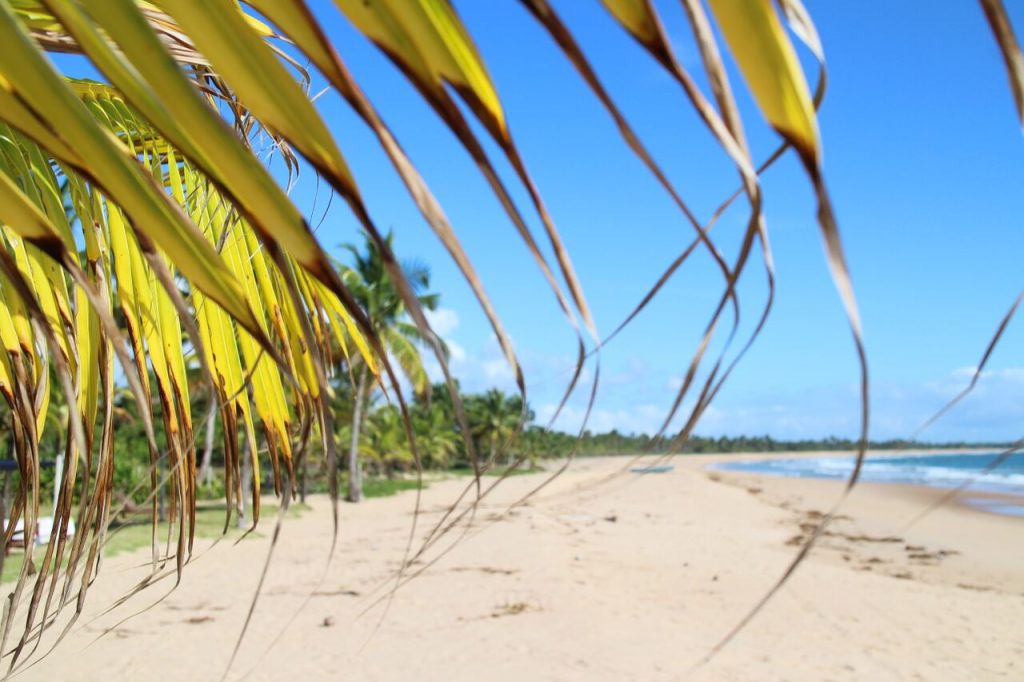
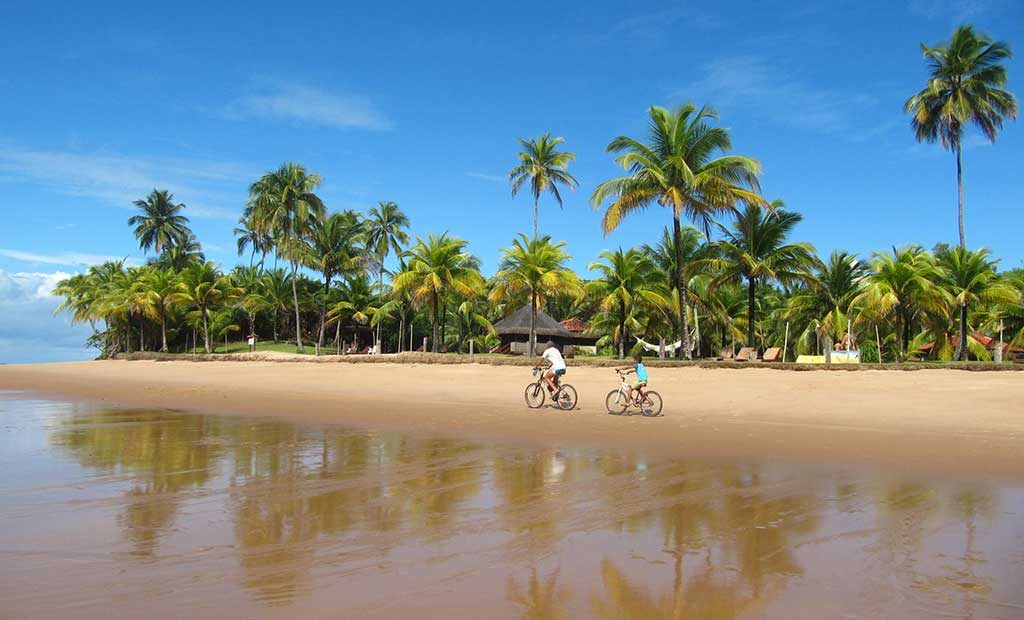
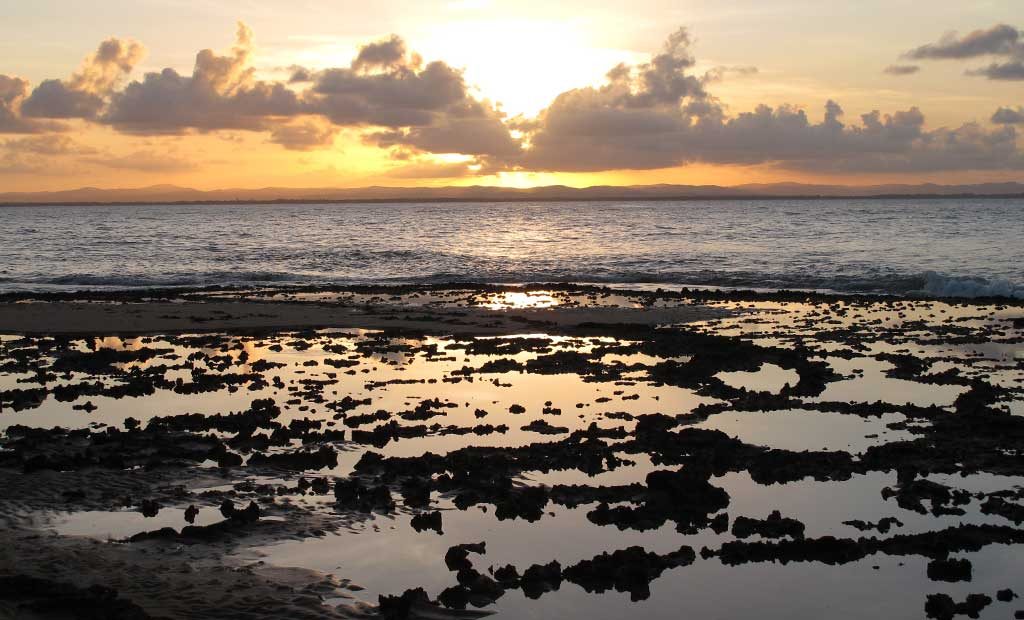
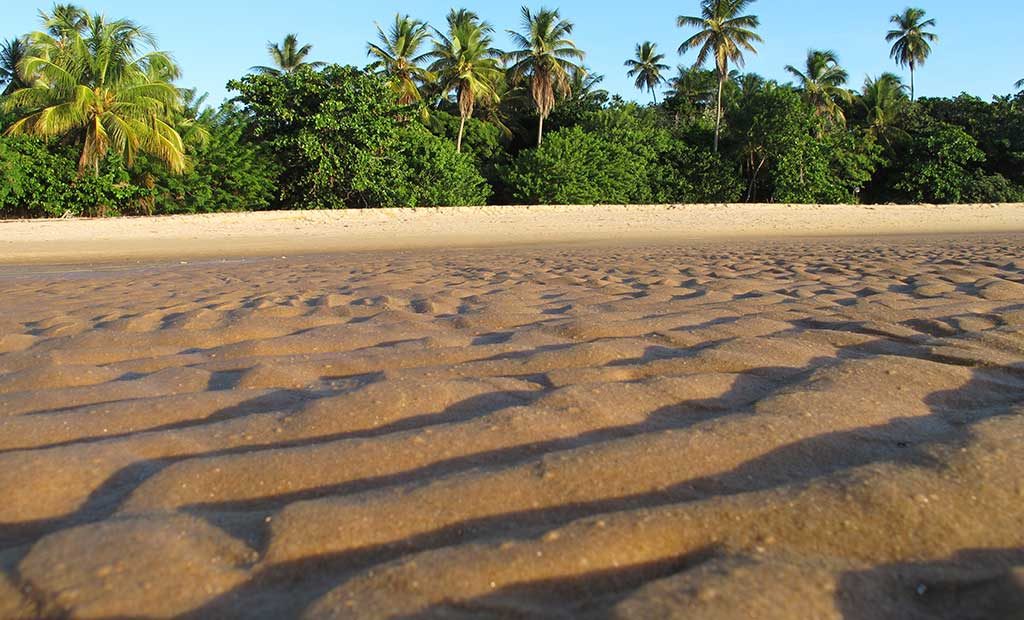
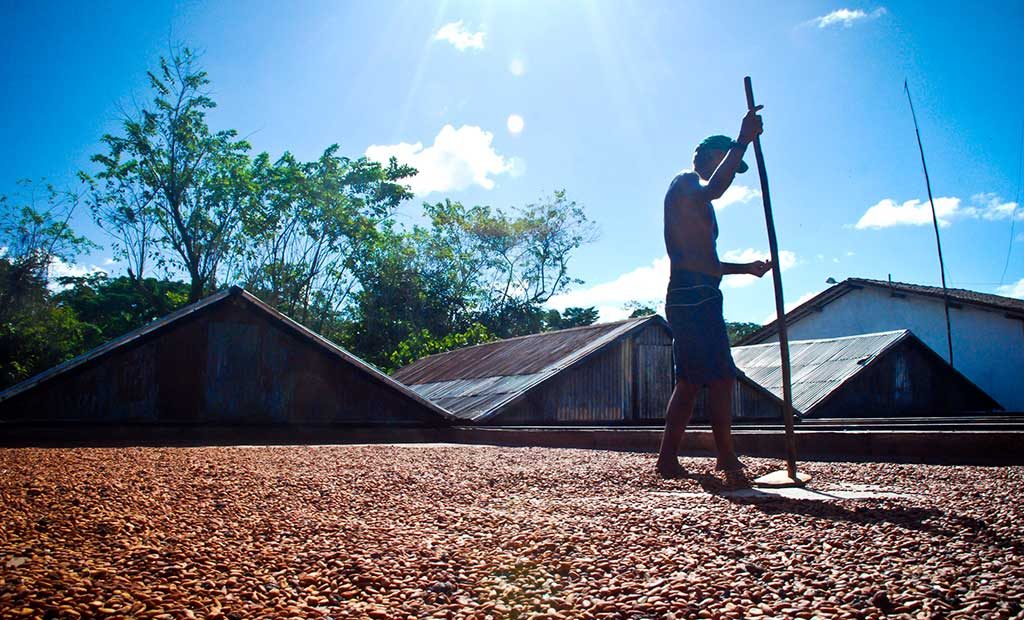
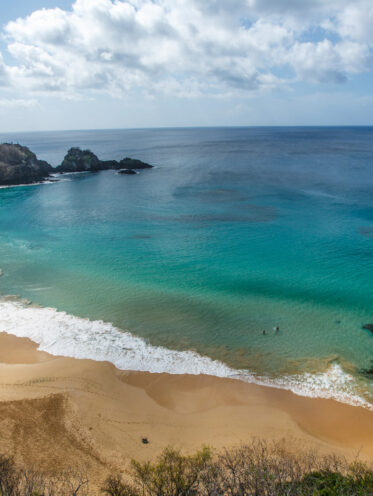
The Cocoa Coast evokes romantic images of local cacao production and artisan cottage industries of small-scale chocolate production, all wrapped up in a historic colonial context. Well, many of those presumptions are in fact quite close to the truth! Having gained prominence during the 17th century chocolate boom, the Cocoa Coast of Bahia holds the key to unlocking the secrets of the world’s favorite sweet treat, with a fascinating cultural heritage and sublime Atlantic coastline to boot.

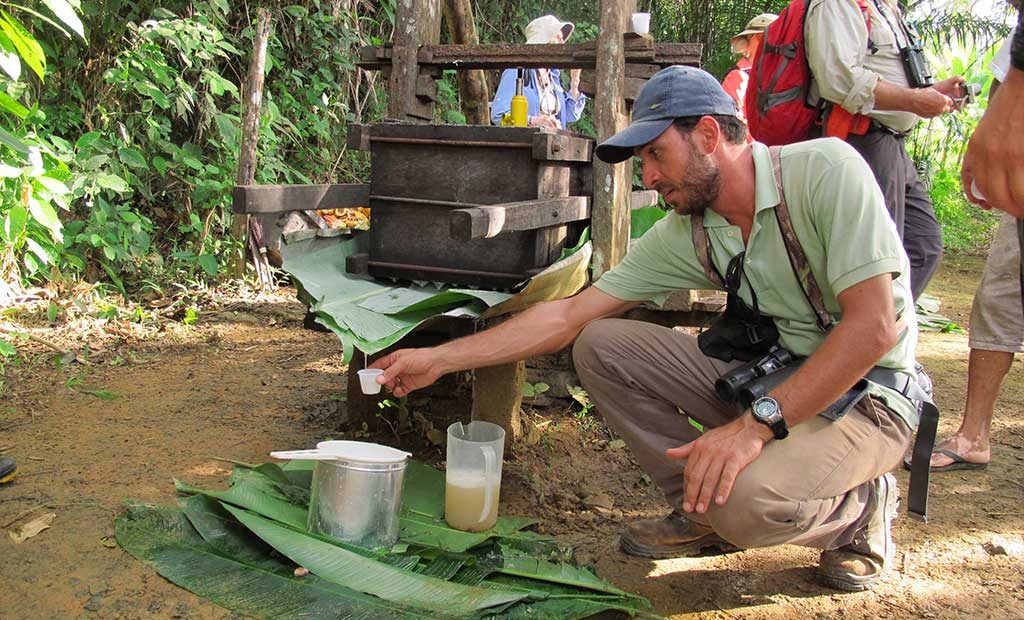
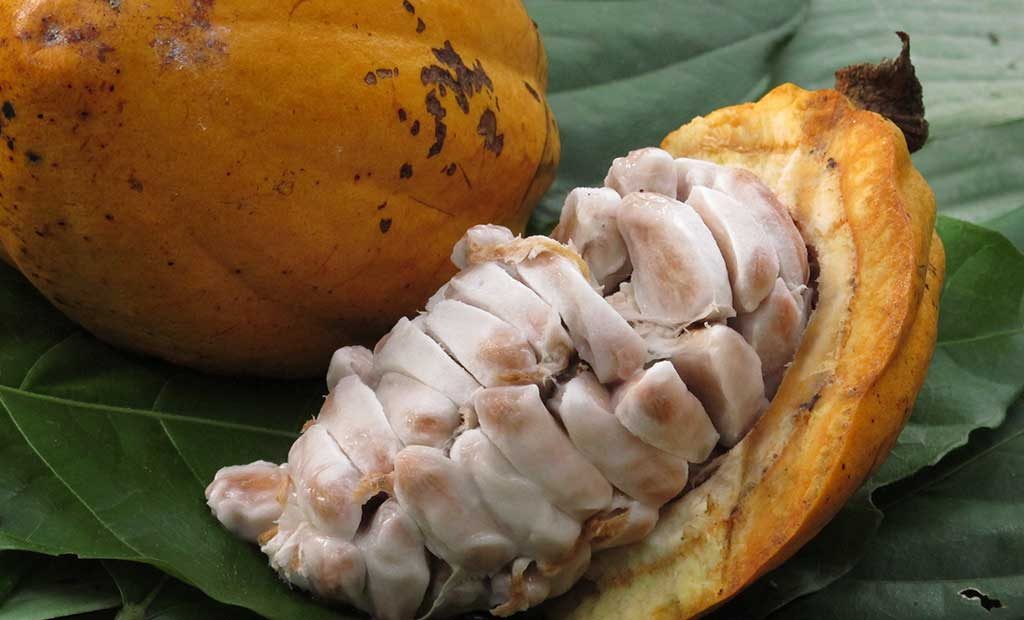
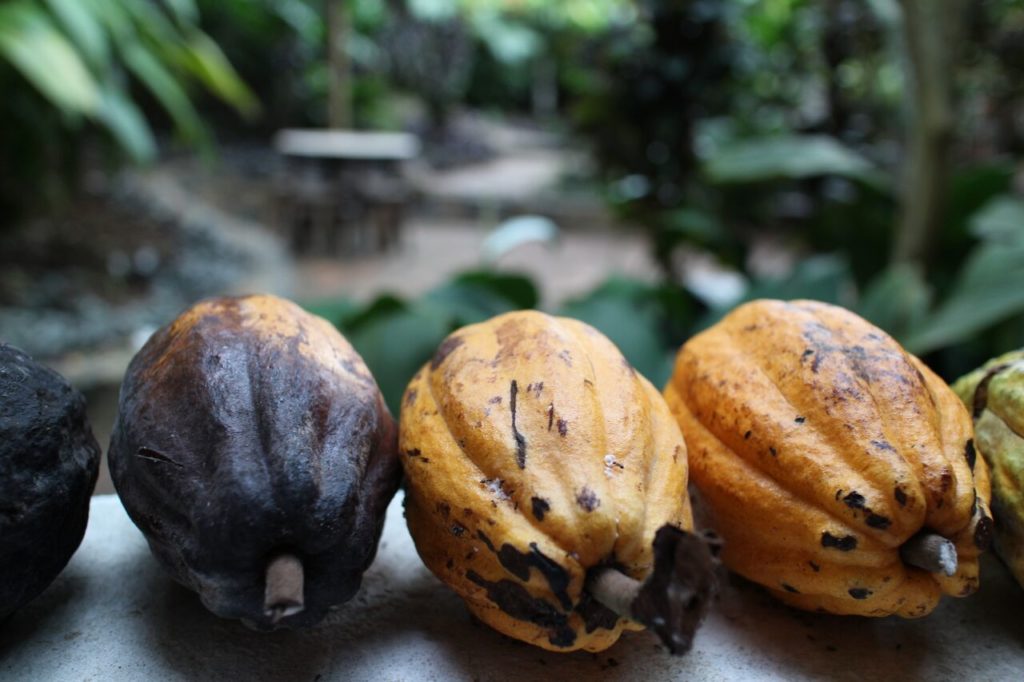
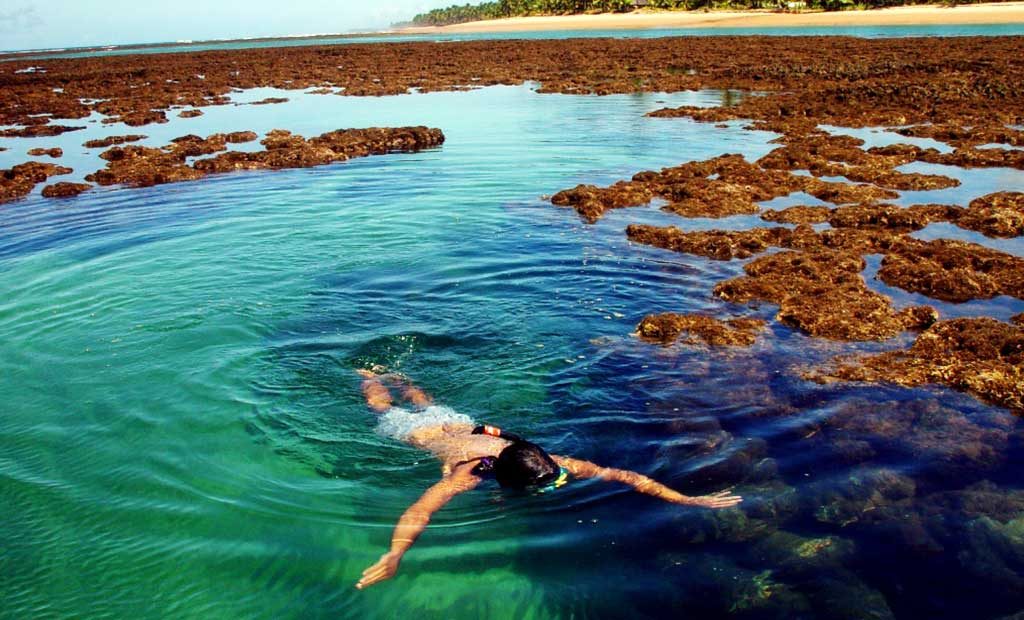
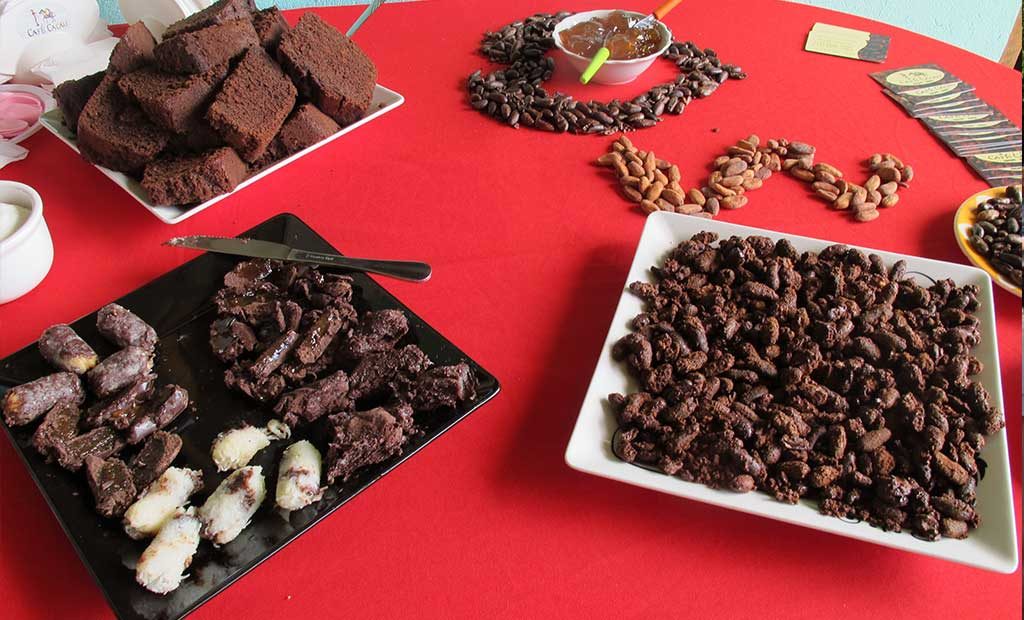
We will travel to a handful of local farms to witness the cocoa production process first-hand, from planting to eating, visiting a historic fazenda plantation which, today, is involved in both cultivation and multiple environmental initiatives aimed at protecting the forest from over-farming, staying at a Travelife certified pousada along the way. While there, you can enjoy a family tutorial in the craft of handmade cacao, before discovering the beauty of the Itacaré – Serra Grande UNESCO protected biosphere reserve in which it sits, a place awash with crystalline rivers, nature trails, huge biodiversity and countless outdoor activities; the perfect way to work off any overindulgence in all this irresistible and inescapable chocolate!


Contact Your Travel Advisor

Infos


Duration
6 days

Airports
IOS

Itinerary
Serra Grande
Taboquinhas
Maraú Península
FAQ's


Yes. Brazil offers incredible experiences, especially in premium adventure destinations. Tourist regions and national parks are generally well-patrolled, and millions of visitors enjoy Brazil safely each year. Our local guides and logistics are designed to provide secure, seamless travel experiences across all destinations. While no trip is entirely without challenges, our local partners provide attentive support to handle any issues with professionalism and care. Travelers should follow standard precautions typical of large countries, but with thoughtful planning, your clients will safely enjoy unforgettable moments immersed in nature and culture.

Visa rules depend on nationality and may change without notice. Passports should be valid for at least six months from arrival. Travelers must always confirm the latest entry requirements on official Brazilian government sites and their own country’s consular resources. Generally: United States, Canada, and Australia: Since April 10, 2025, citizens of these countries require an e-Visa for tourism or business purposes, valid for stays up to 90 days. Applications are made online via Brazil’s official platform: https://brazil.vfsevisa.com. Citizens from European Union countries, the United Kingdom, and Schengen Area members can travel to Brazil without a visa for tourism or business purposes. The visa exemption allows stays of up to 90 days within any 180-day period. Citizens of most South American countries can enter Brazil without a visa, using only a valid passport or ID card. However, entry requirements may vary by country and stay duration. Exact rules vary by country. For official details and country-specific requirements, consult the Brazilian government’s visa portal: https://www.gov.br/mre/pt-br/assuntos/portal-consular/vistos/qgrv-simples-ing-10sep25.pdf

The Brazilian Ministry of Health recommends that travelers ensure routine immunizations are up to date, particularly for yellow fever, measles, rubella, diphtheria, tetanus, polio, and hepatitis A. The yellow fever vaccine is highly recommended if visiting rural, forested, or Amazonian regions such as Amazonas, Acre, Pará, or the Pantanal. It should be taken at least 10 days before travel to develop full protection.

Brazil can be visited year-round due to its size and diverse climate. Weather and ideal travel seasons vary by region. June to September: Amazon, Pantanal, Bonito, Chapada Diamantina, Minas Gerais, Ilha de Marajó, Ilha Grande, Lençóis Maranhenses, Jericoacoara. This period is the drier season, ideal for wildlife spotting, hiking, and nature-based adventures. Lençóis Maranhenses has its lagoons full during this time. Jericoacoara is popular for wind sports. December to February: Bahia (including Cacao Coast), Rio de Janeiro, Paraty, Santa Catarina, Fernando de Noronha, Olinda. This is the warmest beach and festival season, highlighted by Carnival and major cultural events. April to June: Brasília, Iguaçu Falls, São Paulo, Paraná Coast. This autumn season brings cooler, dry weather attracting cultural tourists, business travelers, and sightseers. Because Brazil’s diverse regions cater to different travel styles and seasons, we recommend contacting us directly to tailor the timing and activities for your clients’ exclusive adventure needs.